
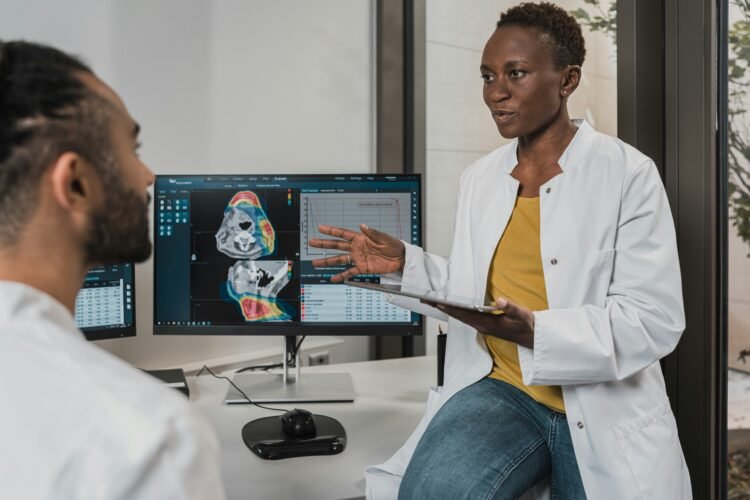
When something feels wrong with your brain or nervous system, uncertainty can be the hardest part. Persistent headaches, unexplained numbness, memory lapses — these symptoms are worrying, and knowing where to turn matters.
The good news? Finding an experienced neurologist in Dubai has never been easier. The city is home to internationally trained specialists — including the German board-certified team at the German Neuroscience Center (GNC) — advanced diagnostic technology, and world-class neurology clinics regulated by the Dubai Health Authority (DHA).
This guide explains what neurologists treat, the warning signs that deserve attention, and how to choose the right specialist for you or your loved one.
What Does a Neurologist Do?
A neurologist is a medical doctor who specializes in diagnosing and treating disorders of the brain, spinal cord, nerves, and muscles.
Think of your nervous system as your body’s command center. When something disrupts it — whether a migraine, a pinched nerve, or a more serious condition — a neurologist identifies the cause and creates a treatment plan.
Neurologists use tools such as:
- MRI and CT scans to view the brain and spine in detail
- EEG (electroencephalogram) to measure electrical activity in the brain
- EMG and nerve conduction studies to assess nerve and muscle function
- Sleep studies to diagnose sleep-related disorders
You don’t need to know your diagnosis before booking. A brain specialist in Dubai will guide the diagnostic process from your very first visit — see the full range of neurological treatments and diagnostics at GNC Dubai.
Common Conditions a Neurologist in Dubai Treats
Neurological disorders treatment in the UAE covers a wide spectrum. Here are the most common reasons patients seek care.
Headaches and Migraines
Frequent or severe headaches are one of the top reasons people visit a neurologist. According to the World Health Organization, headache disorders are among the most common nervous system disorders worldwide. If headaches disrupt your work, sleep, or family life, a headache and migraine specialist in Dubai can identify triggers and offer treatments ranging from preventive medication to Botox therapy and CGRP-targeted treatments and lifestyle plans.
Stroke and Cerebrovascular Disease
Stroke is a medical emergency — every minute counts. Learning the warning signs of stroke (F.A.S.T.) can save a life. Neurologists manage both emergency stroke care and long-term recovery, including rehabilitation and prevention of future strokes.
Epilepsy and Seizure Disorders
Epilepsy affects people of all ages. The WHO estimates around 50 million people worldwide live with epilepsy — and with accurate diagnosis and modern medication, up to 70% could live seizure-free.
Neuropathy and Nerve Disorders
Tingling, burning, or numbness in the hands and feet may signal peripheral neuropathy. This is especially relevant in the UAE, where diabetes — a leading cause of neuropathy — is common: the International Diabetes Federation reports a high adult diabetes prevalence in the region.
Sleep Disorders
Chronic insomnia, sleep apnea, and restless leg syndrome all fall within a neurologist’s scope. Poor sleep isn’t just tiring — it affects memory, mood, and long-term brain health.
Memory and Movement Disorders
Neurologists also diagnose and manage Alzheimer’s disease, other dementias, Parkinson’s disease, and multiple sclerosis (MS). Early diagnosis makes a real difference in slowing progression and preserving quality of life.
Explore the full list of neurological conditions treated at GNC Dubai.
Warning Signs You Shouldn’t Ignore
See a neurologist promptly if you experience:
- Sudden, severe headache — the “worst headache of your life”
- Headaches that are becoming more frequent or intense
- Numbness, tingling, or weakness in the face, arms, or legs
- Sudden vision changes, slurred speech, or facial drooping (call emergency services — these may indicate stroke)
- Seizures or unexplained blackouts
- Persistent dizziness, balance problems, or frequent falls
- Memory loss that interferes with daily life
- Tremors or involuntary movements
- Chronic sleep problems despite good sleep habits
Important: Sudden symptoms like facial drooping, arm weakness, or speech difficulty require immediate emergency care — call 998 (ambulance) in the UAE. Don’t wait for an appointment.
What to Expect at Your First Consultation
Feeling nervous before a neurology appointment is completely normal. Here’s what typically happens:
- Medical history review — your symptoms, medications, and family history
- Neurological examination — simple, painless tests of reflexes, strength, coordination, and memory
- Diagnostic tests if needed — MRI, EEG, or blood work may be ordered
- Discussion and plan — your neurologist explains findings and next steps in plain language
Tip: Keep a symptom diary before your visit. Noting when symptoms occur, how long they last, and possible triggers helps your neurologist reach an accurate diagnosis faster.
How to Choose the Best Neurology Clinic in Dubai
Not all clinics are the same. When comparing options for neurological disorders treatment in the UAE, look for:
- DHA licensing — verify that the neurologist holds a valid Dubai Health Authority license. You can check credentials through the DHA’s official Sheryan medical directory.
- Subspecialty expertise — some neurologists focus on epilepsy, others on stroke, movement disorders, or headache medicine. Match the specialist to your symptoms — you can browse the neurologists at GNC Dubai by specialty.
- Multidisciplinary care — the best neurology clinics in Dubai bring together neurologists, psychiatrists, psychologists, and therapists under one roof for coordinated treatment.
- Modern diagnostic technology — on-site EEG, nerve conduction studies, and neuro-imaging access mean faster answers and fewer referrals.
- Insurance and accessibility — confirm the clinic accepts your health insurance plan and offers appointment times that work for you.
- Patient reviews and outcomes — genuine patient experiences reveal a lot about communication style and quality of care.
Frequently Asked Questions
Do I need a referral to see a neurologist in Dubai?
In most cases, no — many clinics in Dubai, including GNC Dubai, accept direct bookings. However, some insurance plans require a GP referral for coverage, so check with your provider first.
How much does a neurology consultation cost in Dubai?
Costs vary by clinic and specialist seniority. Many health insurance plans in the UAE cover neurology consultations partially or fully — see GNC Dubai’s insurance affiliates and confirm coverage before booking.
What’s the difference between a neurologist and a neurosurgeon?
A neurologist treats nervous system conditions with medication, therapy, and non-surgical care. A neurosurgeon performs operations on the brain and spine. Most patients start with a neurologist, who refers to surgery only if needed.
Can a neurologist help with chronic migraines?
Yes. A headache and migraine specialist can offer preventive medications, Botox injections, newer CGRP-targeted therapies, and trigger management plans that significantly reduce migraine frequency.
How quickly can I get an appointment?
Many neurology clinics in Dubai offer appointments within a few days, and some provide same-day or telehealth consultations for urgent concerns.
Take the First Step Toward Answers
Neurological symptoms rarely improve by waiting. Whether it’s recurring migraines, unexplained numbness, or concerns about memory, an experienced neurologist in Dubai can give you clarity — and a plan.
If you or a loved one are experiencing any of the warning signs above, don’t put it off. Book your neurology consultation at the German Neuroscience Center Dubai today. Early diagnosis is the single most powerful step toward protecting your brain health.