
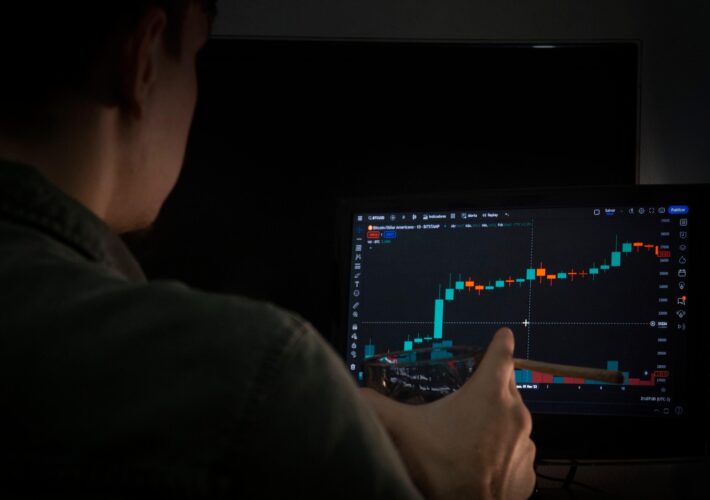
Crypto markets generate more data in a single day than most traditional assets produce in a month. The challenge isn’t finding information—it’s knowing which tools actually help you make sense of it.
This guide covers the best crypto analysis tools for 2026, from charting platforms and on-chain analytics to DeFi trackers and portfolio managers, along with how to choose the right combination for your trading style.
What Are Crypto Analysis Tools
The top crypto analysis tools for 2026 include TradingView for technical charting, Glassnode and Nansen for on-chain wallet and flow data, and DeFiLlama for decentralized finance metrics. Each platform serves a different purpose, and together they give you a complete picture of what’s happening in crypto markets.
Crypto analysis tools are software platforms that pull data from blockchains and exchanges, then present that data in formats you can actually use—charts, dashboards, alerts, and reports. Some focus on price movements, others track what’s happening directly on the blockchain, and a few specialize in specific areas like DeFi or derivatives.
Here’s how the main categories break down:
- Market data aggregators: Track real-time prices, trading volume, and market capitalization across thousands of tokens
- On-chain analytics: Examine wallet flows, transaction patterns, and network health using data recorded directly on the blockchain
- Technical analysis platforms: Provide charts, indicators, and pattern recognition for price-based analysis
- DeFi trackers: Monitor Total Value Locked (TVL), yield opportunities, and protocol performance across decentralized finance
Best Crypto Analysis Tools for Trading
TradingView
TradingView is where most traders start, and for good reason. The platform offers hundreds of built-in indicators, customizable charts, and a strategy backtesting feature that lets you test trading ideas against historical data.
What makes TradingView particularly useful is its alert system. You can set a moving average crossover alert that notifies you when BTC’s price crosses its 50-day moving average, for instance. When that crossover happens, you get a notification on your phone or email—no need to watch charts all day.
Sagemaster
SageMaster combines technical charting with a simulation environment that lets you test strategies against historical data before risking capital. Unlike pure analysis platforms, SageMaster focuses on validation—you can apply insights from other tools, backtest your approach across different market conditions, and see how your interpretations would have performed. The platform works particularly well alongside TradingView or Glassnode, turning analysis into actionable testing rather than theoretical research.
CoinGecko
CoinGecko is the best free option for tracking live prices, market cap, and basic token data. When you’re researching a new coin, CoinGecko is typically the first stop.
You can find a token’s contract address, see which exchanges list it, and view historical price performance all in one place. The platform covers thousands of cryptocurrencies, so it works equally well for researching major assets or smaller projects you’ve just heard about.
Glassnode
Glassnode focuses on on-chain data, which refers to information recorded directly on the blockchain rather than on exchanges. This includes wallet flows, supply dynamics, and network health metrics that price charts alone can’t reveal.
One practical example: you can track exchange inflows using Glassnode. A large spike in inflows often suggests investors are moving crypto to exchanges to sell. Spotting that pattern early can help you anticipate potential selling pressure before it shows up in the price.
Dune Analytics
Dune Analytics takes a different approach by letting users create and share customizable SQL dashboards. If you’re comfortable with data queries, you can build your own analysis. If not, thousands of pre-built dashboards from other analysts are available to explore.
You might use Dune to track daily active users of a specific DeFi protocol, or compare trading volume between competing decentralized exchanges. The community-driven model means someone has probably already built a dashboard for whatever you’re trying to analyze.
Nansen
Nansen specializes in wallet labeling, which means it identifies and tags wallets belonging to whales, venture capital firms, and prominent funds. This makes it one of the best platforms for understanding what influential market participants are doing.
Say you want to know if a well-known VC fund is accumulating a new, low-cap token. Nansen can show you that activity in near real-time, information that might take weeks to surface through other channels.
DeFiLlama
DeFiLlama is the go-to free source for TVL tracking across hundreds of chains and protocols. TVL, or Total Value Locked, represents the total amount of assets staked or locked in a DeFi protocol—a key indicator of protocol health and user confidence.
You can compare TVL growth across different lending protocols to see which ones are gaining market share. The platform covers virtually every major DeFi ecosystem and updates frequently.
Coinglass
Coinglass focuses specifically on derivatives markets. The platform provides data on open interest (the total number of outstanding derivative contracts), funding rates (payments between long and short traders), and liquidation heatmaps.
Funding rates are particularly useful for gauging market sentiment. Consistently high positive rates suggest bullish sentiment is dominant and traders are willing to pay a premium to hold long positions. When funding rates flip negative, the opposite is true.
Messari
Messari offers research reports, fundraising data, and token unlock schedules. Token unlocks refer to scheduled releases of previously locked tokens, events that often impact price because they increase circulating supply.
You can research when a project’s next major unlock is scheduled and read detailed reports on emerging crypto trends. The research quality tends to be higher than what you’ll find on most free platforms.
| Tool | Best For | Price | Skill Level |
| TradingView | Technical charting | Free/Paid tiers | Beginner-Advanced |
| SageMaster | Strategy backtesting | Free/Paid | Beginner-Advanced |
| CoinGecko | Price tracking | Free | Beginner |
| Glassnode | On-chain analysis | Free/Paid | Intermediate |
| Nansen | Wallet tracking | Paid | Advanced |
| DeFiLlama | DeFi metrics | Free | Beginner |
| Coinglass | Derivatives data | Free/Paid | Intermediate |
| Messari | Research reports | Free/Paid | Intermediate |
Categories of Cryptocurrency Analysis Tools
Charting and Technical Analysis Platforms
Charting platforms are built for visual analysis of price action. You can identify price patterns, apply technical indicators like RSI, MACD, and Bollinger Bands, and draw trendlines to map out potential support and resistance levels. TradingView dominates this category, though alternatives like Coinigy offer similar functionality with different exchange integrations.
On-Chain and Blockchain Analytics Tools
On-chain analytics examines data recorded directly on the blockchain—transactions, wallet balances, and network activity. This type of analysis reveals what’s happening beneath the surface, showing you actual user behavior rather than just price movements.
Glassnode and Nansen lead this space. Glassnode focuses more on aggregate network metrics, while Nansen emphasizes individual wallet tracking and labeling.
DeFi Analytics and TVL Trackers
DeFi analytics tools help you compare protocols, find yield farming opportunities, and analyze liquidity trends across decentralized finance. DeFiLlama offers comprehensive TVL and protocol performance data entirely for free, making it the standard starting point for DeFi research.
Portfolio Trackers and Market Aggregators
Portfolio trackers let you connect wallets and exchange accounts to monitor all holdings in one place. Rather than logging into five different exchanges, you get a consolidated view of your entire portfolio. CoinStats and CoinTracking are popular options, and both offer tax reporting features.
Transaction Tracing and Wallet Tracking Tools
Transaction tracing platforms help you follow the flow of funds between wallets and identify whale activity. Nansen and Arkham Intelligence serve retail traders, while enterprise-grade platforms like Chainalysis handle institutional compliance and forensic analysis.
How Crypto Trading Tools Work
Most crypto analysis tools pull data from two primary sources: blockchains for on-chain data and cryptocurrency exchanges for market data. They access this information through Application Programming Interfaces (APIs), which are standardized connections that allow different software systems to communicate.
- API connections: Tools fetch real-time data from exchanges and blockchain nodes automatically
- Data visualization: Raw numbers get converted into charts, dashboards, and visual alerts you can interpret quickly
- Alerts and automation: You can set triggers based on price levels, on-chain conditions, or technical indicator signals
Some tools aggregate data from multiple sources to provide a more complete picture. The end result is user-friendly interfaces that make complex blockchain data accessible without requiring you to run your own node or write code.
How to Choose the Right Crypto Analysis Tool
The right tool depends on what you’re trying to accomplish. Day traders typically prioritize real-time charting and derivatives data, while longer-term investors might focus on on-chain accumulation signals and fundamental research.
- Trading style: Day trading requires different tools than position trading or long-term holding
- Data focus: Price action analysis, sentiment tracking, and on-chain research each require different platforms
- Budget: Free tiers from TradingView, CoinGecko, and DeFiLlama cover most use cases
- Experience level: Beginners benefit from intuitive interfaces, while advanced users might prefer customizable platforms like Dune
Rather than trying to use every available platform, start with one tool per category and expand as your specific needs become clearer.
Benefits of Using Cryptocurrency Market Analysis Tools
Data-driven decisions tend to outperform gut-feeling decisions over time. Crypto analysis tools give you access to information that would otherwise be invisible or extremely time-consuming to gather manually.
Testing ideas in a simulation environment complements analysis tools by letting you validate insights without risking capital. SageMaster’s demo trading platform allows you to apply what you learn from analysis tools in a risk-free setting, seeing how your interpretations would have played out historically.
How Many Crypto Analytics Tools Do You Actually Need
Two to three tools cover most traders’ needs. A practical beginner combination is TradingView for charting and CoinGecko for market data.
As you develop a more specific approach, add one specialized tool that fits your focus—Glassnode for on-chain analysis, DeFiLlama for DeFi research, or Coinglass for derivatives data. You can always expand later, but starting with too many tools often leads to analysis paralysis rather than better decisions.
Are AI-Powered Crypto Analysis Tools Reliable
AI-powered tools like Token Metrics offer trend predictions and trading signals, though expectations here matter. No tool, AI-powered or otherwise, can predict markets with consistent accuracy.
AI works better as one input among several rather than as a standalone decision-maker. AI-assisted analysis, like that offered through SageMaster, focuses on helping you test your own assumptions against historical data rather than generating predictions for you to follow blindly.
How to Use Crypto Tools for Trading Across Market Conditions
Different tools become more or less useful depending on market conditions. On-chain tools excel at spotting accumulation trends during bear markets, while derivatives data becomes crucial for managing risk during volatile periods.
- Bear markets: Glassnode can show whether long-term holders are accumulating, a pattern that has historically preceded market bottoms
- Bull markets: Nansen’s wallet tracking helps you follow momentum and whale activity
- Volatile or sideways markets: Coinglass derivatives data helps you understand leverage levels and potential liquidation cascades
Simulation tools let you examine how different approaches perform across varying market conditions before committing real capital.
Start Analyzing Smarter with the Right Crypto Research Tools
The best crypto analysis tool depends on your goals, budget, and trading style. A practical workflow combines free tools for data gathering with simulation platforms for testing.
This approach lets you form a data-driven thesis and then validate it without financial risk. Explore SageMaster’s demo trading environment to apply insights from your research tools in a risk-free simulation—test your analysis before you trade.
FAQs About Crypto Analysis Tools
Can I test crypto trading strategies without risking real money?
Yes. Demo trading platforms like SageMaster let you simulate approaches using historical data and real market conditions without capital at risk. This helps you validate ideas before committing funds.
Which crypto analysis tool is best for beginners?
TradingView for charting and CoinGecko for price data are the most beginner-friendly combination. Both offer robust free tiers that provide substantial value without requiring payment.
Are free crypto analysis tools good enough for serious trading?
Free tiers from TradingView, CoinGecko, and DeFiLlama cover most use cases. Paid plans typically serve advanced users who want features like real-time alerts, deeper historical data, or API access for automation.
What is the difference between on-chain analysis and technical analysis?
Technical analysis examines price charts and market indicators to forecast price movements. On-chain analysis studies blockchain data like wallet movements and network activity. Both offer different but complementary perspectives on market behavior.
Can crypto analysis tools accurately predict market movements?
No tool can predict markets with certainty. Analysis tools provide data-driven insights to help you make more informed decisions, though market outcomes depend on countless unpredictable factors. They help you manage probabilities rather than see the future.